
2026-10-10 · David Rodriguez
Signs Your Grapevine Sewer Line Needs Attention After Heavy Rains
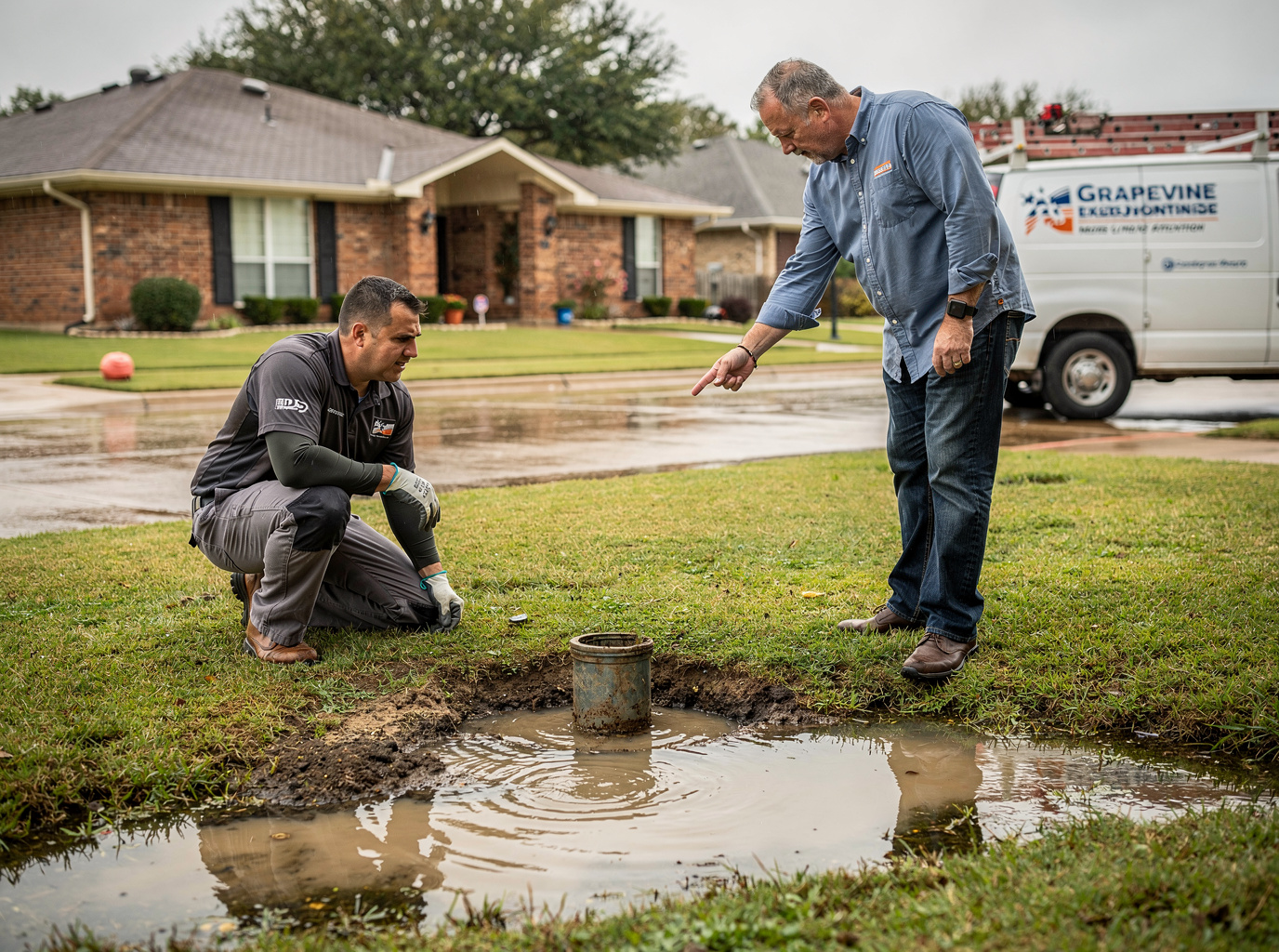
After heavy rains in Grapevine, several key signs indicate your sewer line needs attention, primarily slow drains, foul odors, gurgling noises from fixtures, and unexplained wet spots in your yard. These symptoms often manifest within hours to a few days following significant rainfall, especially during our severe storm season in Tarrant County. The excess groundwater can infiltrate compromised pipes, exacerbating existing cracks or blockages, and even lead to new issues like pipe displacement due to soil saturation. Addressing these indicators promptly can save homeowners in areas like Historic Downtown Grapevine and Grapevine Mills from extensive property damage and costly emergency repairs. Ignoring them can quickly escalate a contained problem into a full-blown sewer backup, impacting multiple fixtures and potentially flooding basements or crawl spaces.
Understanding How Rain Impacts Grapevine Sewer Lines
Grapevine's climate, characterized by hot summers and mild winters with a significant risk of severe storms, plays a crucial role in how rain affects our underground infrastructure. When heavy rains saturate the ground, the soil around your sewer lines becomes waterlogged. This increased pressure can push against older, more brittle pipes, leading to cracks or separations at joints. Furthermore, excess water can infiltrate existing small fissures, washing away supporting soil and creating voids that cause pipes to sag or break. For homes in older parts of Grapevine, where cast iron or clay pipes might be 40–60 years old, this susceptibility is even higher. The sheer volume of water entering the system can also overwhelm pipes, especially if they already have partial blockages from tree roots common in our established neighborhoods, leading to backups into homes.
The clay-rich soils prevalent in Tarrant County also contribute to this problem. These soils expand when wet and contract when dry, creating constant movement around buried pipes. Over decades, this natural cycle, coupled with the intense downpours we experience, can cause significant stress, leading to misaligned pipe sections or even collapsed pipes. This is why a proactive approach to sewer line maintenance, especially after heavy rain events, is critical for Grapevine residents. Understanding these environmental factors helps explain why certain symptoms appear and why prompt action is necessary to maintain the integrity of your home's wastewater system.
Slow Drains and Backups: The Immediate Red Flag
One of the most common and immediate indicators of a sewer line issue after heavy rainfall is noticeably slow drains or, worse, multiple fixtures backing up simultaneously. If your toilet flushes sluggishly, or if water drains slowly from your sinks and bathtubs, especially after a storm, it's a strong sign that your main sewer line is struggling. This isn't just a minor inconvenience; it suggests that the pipe is either partially blocked or, more concerningly, experiencing infiltration from groundwater. When the sewer system is already burdened by excess rainwater, any existing blockages from grease, debris, or tree root intrusion in sewer lines become much more pronounced, leading to reduced flow capacity. In severe cases, you might experience sewage backing up into your lowest drains, like a shower or toilet on the ground floor.
This phenomenon is particularly common in areas with older homes, such as those found near Historic Downtown Grapevine. These properties often have mature trees whose root systems can aggressively seek out moisture and nutrients within sewer pipes, creating hair-like root masses that trap debris. When heavy rains occur, the increased water flow pushes against these existing obstructions, causing a bottleneck. If you notice these symptoms, it's crucial to consider a sewer line camera inspection to accurately diagnose the problem without destructive digging, allowing for targeted repairs like sewer pipe lining or sewer pipe bursting if necessary. Addressing these issues early can prevent a full-blown sewage backup, which can cause significant damage and health hazards inside your home.
Foul Odors: A Sign of Compromised Integrity
A persistent, unpleasant odor, often described as a sewage smell, emanating from drains, vents, or even your yard, is a strong indicator that your sewer line has been compromised, especially after heavy rains. This smell is caused by sewer gases escaping from a breach in the pipe. When the ground is saturated with rainwater, the pressure can force these gases out through cracks, loose joints, or even through the soil itself if the pipe is severely damaged. You might notice this smell being particularly strong near floor drains, unused sinks, or in your basement or crawl space. In Grapevine, with our intense storm cycles, these odors can become more prevalent as the ground shifts and puts stress on existing sewer infrastructure.
The presence of these odors suggests that your sewer line is not airtight, which means not only are gases escaping, but also that groundwater and soil can enter the pipe, creating further blockages and increasing the risk of collapse. This is especially true for older homes in Grapevine and nearby communities like Southlake, where original sewer lines may have deteriorated over time. An open breach in the sewer line can also attract pests and create an unsanitary environment. If you detect these smells, particularly after a significant rain event, it's a clear signal that your sewer system requires immediate professional assessment to identify and repair the source of the leak, often achievable with modern trenchless sewer line repair methods that minimize disruption to your property.
Gurgling Noises: Warning of Air Trapped in the System
Gurgling noises coming from your toilets, sinks, or shower drains, especially when another fixture is in use or after heavy rainfall, are a significant warning sign that your sewer line is experiencing problems. These sounds indicate that air is being trapped and forced through the plumbing system, which typically happens when water flow is obstructed. The obstruction could be a partial blockage within the main sewer line, or it could be related to a sag or belly in the pipe where water is pooling. When heavy rains introduce additional water into the system, this exacerbates the existing flow issues, making the gurgling more pronounced as the system struggles to vent properly.